Where modern love meets fearless creativity

Wild Hearts

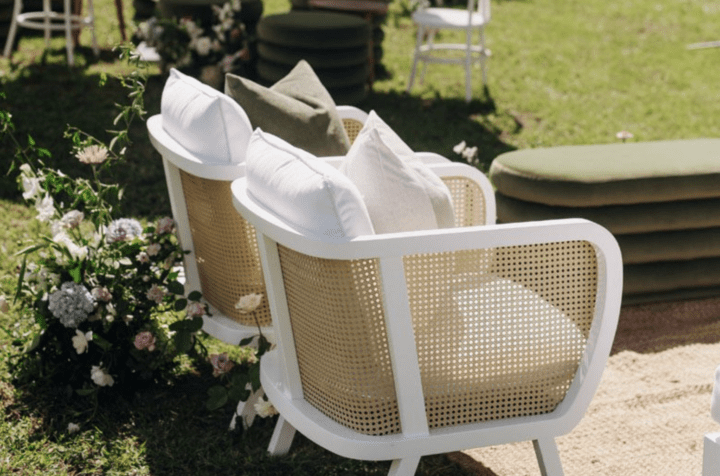
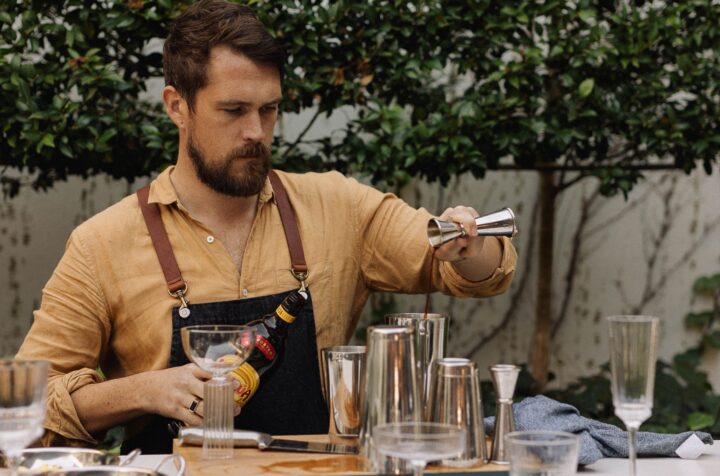
Wild Hearts is an expertly selected wedding business that glorifies exceptional providers, remarkable love stories, and exquisitely wild parties throughout New Zealand. We are there because of couples that believe in art, authenticity, and purposefulness, people who dream of a wedding day that will be highly personal and unforgettable. Photographers and florists, stylists, celebrants, and even destination stays, all the vendors mentioned in Wild Hearts are chosen based on their skills, creativity, and spirit. It is an assortment rather than a list.

About Us

Find Your Dream Wedding Team

The process of wedding planning should be motivating, not frightening. Wild Hearts will bring you close to reputable, imaginative wedding experts who are the pioneers in their business and not afraid of their vision. Browse by category, location or style to find vendors that match your aesthetic and values- be it an intimate elopement, a destination party or a modern luxury nature-ridden wedding.

Our Vendor Collection

What We Offer

01

Curated Wedding Vendor Directory

The best possible choice of photographers, florists, stylists, planners, celebrants, venues, and more, those who did an outstanding job and had a good reputation.

02

Our Vendor Collection

Read actual love stories, planned shoots, and editorial style posts with Wild Hearts vendors in gorgeous locations.

03

Wedding Planning Inspiration

Careful advice, trend suggestions, and planning concepts that will enable couples to develop weddings that are genuine and meaningful.

04

Vendor Features & Spotlights

Detailed specifics about the individuals behind the craft, their work process and what makes their work really unique.

05

Destination & Stay Recommendations

Find gorgeous places to stay, party, and run away to - ideal weddings, elopements, and romantic escapes.

06

Community & Collaboration

A place where creatives meet, work, and develop together - based on respect, passion, and shared values.

Get Wedding Inspiration

Why Choose Wild Hearts

Wild Hearts is a curated, rather than volume-based company. All features, vendors, and stories are selected carefully and quality is given more attention than quantity. We glorify the uniqueness and ingenuity, and promote the vendors who go beyond their limits without losing their art. Most importantly, Wild Hearts is a love story, a love story of couples and creators, ideas and places, love and art.

Featured Stories & Inspiration

Find gorgeous weddings, inventive editorials, and inspiring work by vendors who are full of the essence of modern love wild, soulful, and unashamedly real.

For Wedding Vendors

Do you have the unique voice and interest in what you are doing as a wedding creative? Wild Hearts collaborates with suppliers that appreciate originality, professionalism, and significance of connection. Get on a platform that presents your work in a way that is intentional and also match couples who really comprehend what you are doing.

Wild Hearts Wedding Fairs

Where Weddings, Fashion, and Creativity Collide

The Wild Hearts Wedding Fairs are the most discussed wedding events in New Zealand, which re-invents the definition of what a wedding fair is. Weddings and high fashion collide in these immersive events featuring top bridal and luxury designers and boutique beauty, styling, and entertainment. Cured food and wine, live music and runway, everything here is meant to motivate couples to find something truly unique.

A Celebration of the Industry’s Best

Connecting Couples With Iconic & Emerging Creatives

Wild Hearts is a gathering of the finest and sought after wedding vendors in New Zealand as well as a launch of the new generation of innovative talent that is influencing the business. Every event is carefully designed to be intimate, inspirational and editorial in nature- because you should plan your wedding to be as beautiful as the day itself. Ride wild with us and have wedding planning in the highest way.

What Couples Are Saying

Wild Hearts made our wedding planning to be an inspiring process as opposed to being stressful. We found incredibly compatible vendors, all of whom were creative, caring, and of high quality that made our day a personal one.

– Jess and Marco

It is a platform that is well-considered. All the vendors presented a very strong sense of art and intent, and Wild Hearts felt like a creative agency rather than a traditional wedding agency.

– Angela T.

Since the time when we have visited the site, we have felt observed and perceived. The storytelling, visual and vendor feature was a manifestation of our values and style and allowed us to find creatives, who aligned with our vision.

– Deborah and Ronnie

Stay Inspired

Latest From The Blog

friends talking in a cozy neighborhood cafe third space community

The Third Space Comeback: 17 Practical Ways to Build a Social Life Beyond Work & Home

Why “Third Spaces” Are Trending Again (and Why Your Life Might Need One)

For years, our routines have been built around two primary locations: home (first space) and work (second space). But there’s a third category that quietly shapes happiness, community, and even mental health: third spaces—the informal places where you can show up regularly without hosting, performing, or spending a fortune.

Think: a neighborhood café where the barista knows your order, a climbing gym with a familiar crew, a library reading room, a community garden, a volunteer shift, or a low-stakes weekly class. These spaces used to be a normal part of everyday life. Now they’re making a comeback—especially as people look for ways to rebuild social connection, reduce screen time, and create routines that feel human.

This roundup collects actionable ideas, tips, and resources to help you find (or create) a third space that fits your personality, schedule, and budget—without turning it into another productivity project.

Quick Litmus Test: Is It a Real Third Space?

A true third space usually has three qualities:

  • Low barrier to entry: You can drop in without a big plan or a big spend.
  • Regularity: The same people show up often enough that familiarity happens naturally.
  • Light structure: There’s something to do (read, play, move, volunteer), but the stakes are low.

If it feels welcoming, repeatable, and doesn’t require you to “host” the experience, you’re on the right track.

17 Third Space Ideas (with Real-World Tips to Make Them Stick)

1) The “Same-Time Café” Habit

Instead of hunting for the perfect coffee shop, pick one and become a regular. Consistency creates connection. Go at the same time weekly (e.g., Saturday 10 a.m.) and bring a book, journal, or lightweight task.

  • Actionable tip: Choose a seat that’s “social-adjacent” (near the counter or communal table) rather than hiding in a corner.
  • Low-pressure opener: Ask for a recommendation (“What’s good right now?”) and remember the answer next time.

2) Libraries as Adult Third Spaces (Not Just for Borrowing Books)

Modern libraries offer quiet rooms, free events, workshops, language circles, and community boards. Many are designed for lingering.

  • Actionable tip: Check your library’s calendar for recurring events—recurring is key. One-off events rarely build relationships.
  • Real-world example: Many city libraries host weekly conversation groups that are perfect if you want social contact without small-talk pressure.

3) Community Classes That Don’t Require Talent

Pottery, beginner dance, improv for shy people, or “paint and sketch” meetups: classes create a shared experience and built-in talking points.

  • Actionable tip: Pick something you can be bad at without quitting. The best third space is one you can return to imperfectly.

4) A Weekly Walk Club (the Easiest Social Upgrade)

Walking is accessible, inexpensive, and conversation-friendly. Many cities have casual walk clubs—often themed (sunrise walks, trail walks, “walk + coffee”).

  • Actionable tip: If you can’t find one, start one: set a repeating time, pick a simple route, and post it on a community board or local group.
  • Data point: Even moderate physical activity like brisk walking can support mood and stress reduction; the social layer makes it more sustainable.

5) Volunteer Shifts as a Built-In Community

Volunteering turns “meeting people” into “doing something together,” which is far less awkward. Food banks, animal shelters, trail maintenance, community fridges, and mutual aid groups often rely on recurring volunteers.

  • Actionable tip: Choose a role with repetition (same shift weekly) rather than random sign-ups.
  • Real-world example: A Sunday morning pantry shift often becomes a steady micro-community because the same volunteers return.

6) The Gym… but Make It a Third Space

Traditional gyms can feel isolating. The third-space version is a gym with a “home base”: a specific class time, a regular corner, or a simple routine you repeat.

  • Actionable tip: Choose classes with a stable roster (e.g., Tuesday/Thursday 6 p.m.) rather than rotating drop-ins.

7) Climbing Gyms and “Parallel Play” Socializing

Climbing is a unique third space because you can socialize without constant talking. You climb, rest, watch, and chat naturally between attempts.

  • Actionable tip: Ask someone for beta (how to approach a route). It’s the most normal conversation starter in the building.

8) Local Game Stores and Low-Stakes Game Nights

Board game cafés and local game stores often host open tables. You don’t need an existing friend group—just show up.

  • Actionable tip: Start with cooperative games (shared goal) rather than highly competitive formats if you’re anxious socially.

9) The “Third Place” Bar That Isn’t About Drinking

Some bars function like community living rooms: trivia nights, open mic, neighborhood fundraisers. The goal isn’t consumption—it’s recurring presence.

  • Actionable tip: Order a non-alcoholic drink if you want; being a regular is about consistency, not alcohol.

10) Farmers Markets as a Weekly Ritual

Farmers markets are socially “soft.” You can talk briefly to vendors, recognize familiar faces, and build a sense of place.

  • Actionable tip: Buy one repeat item weekly (eggs, flowers, bread) and learn the vendor’s name. Familiarity compounds fast.

11) Makerspaces and Repair Cafés

Makerspaces offer shared tools and skills: 3D printers, woodshops, sewing machines, electronics benches. Repair cafés help you fix items with volunteers.

  • Actionable tip: Pick one small project (hemming pants, fixing a lamp) as your “entry mission.” Projects attract helpers—and conversation.

12) Community Gardens and Micro-Neighborhood Friendships

Gardens have built-in regularity: watering schedules, seasonal workdays, seed swaps. They’re ideal if you want slow, organic relationships.

  • Actionable tip: Volunteer for one shared task (compost, tools, watering rotation). Shared responsibility creates belonging.

13) Faith Communities and Secular Alternatives

For some, religious spaces are the classic third space. If that’s not your vibe, look for secular equivalents: meditation groups, philosophy clubs, or community choirs.

  • Actionable tip: Choose communities that meet weekly and include time for informal conversation afterward.

14) Co-Working Spaces for People Who Work From Home

If you’re remote, a co-working day can prevent “lonely efficiency.” Look for spaces with communal tables and recurring events.

  • Actionable tip: Start with one day a week. Familiarity is more important than frequency.

15) Micro-Events That Repeat: Trivia, Run Clubs, Open Mic, Stitch Circles

The magic isn’t the event—it’s the repetition. A weekly trivia night can turn strangers into “I know them” in a month.

  • Actionable tip: Go three times before deciding it’s “not for you.” Most third spaces feel awkward on visit one.

16) The “Analog Hobby Corner” in Public

If you like solo hobbies, do them in public: sketching at the park, writing at the library, knitting at a café. This invites casual conversation without demanding it.

  • Actionable tip: Use a simple, approachable setup (one notebook, one book). Complex setups can signal “do not disturb.”

17) Create a Third Space with a Standing Invite

If you can’t find a space that fits, build a tiny one: “Sunday 4 p.m. tea at my building lobby,” “first Wednesday ramen,” “monthly museum stroll.” The key is a standing invite—people can join when they can without RSVP pressure.

  • Actionable tip: Keep it predictable (same time, same place) for at least 8 weeks. Predictability turns a hangout into a ritual.

How to Choose the Right Third Space for Your Personality

Not every third space should be extroverted. Use these filters:

  • If you’re introverted: Choose spaces with an activity buffer (climbing, crafting, reading rooms).
  • If you’re new in town: Choose places where newcomers are expected (volunteer shifts, classes, open tables).
  • If you’re busy: Choose something you can do in 60–90 minutes without logistical overhead (walk club, market, one class).
  • If money is tight: Libraries, parks, community centers, volunteer groups, and free meetups can work as well as paid spaces.

Make It Stick: The 5-Visit Rule and the “Regular” Mindset

Third spaces don’t work if you treat them like entertainment options you sample once. They work when you become a regular.

  • The 5-visit rule: Commit to five visits before judging. Visit #1 is orientation. Visit #2 you recognize a face. Visit #3 you exchange words. Visit #4 you’re expected. Visit #5 you belong.
  • Show up even when you’re not “feeling social”: Consistency matters more than charisma.
  • Keep a tiny script: “How’s your week going?” “Anything fun coming up?” “What brought you here?”

Resource Corner: Where to Find Third Spaces Fast

  • Community calendars: Library websites, parks-and-rec calendars, city events pages.
  • Local bulletin boards: Cafés, co-ops, laundromats, community centers.
  • Hobby hubs: Game stores, climbing gyms, craft studios, makerspaces.
  • Volunteer directories: Search by cause + “volunteer shift” + your city.

For additional lifestyle reporting and ideas on finding community through everyday habits and culture, you can browse GQ’s lifestyle coverage for timely angles and practical inspiration.

Conclusion: Your Social Life Doesn’t Need a Makeover—It Needs a Place

The most underrated lifestyle upgrade isn’t a new routine, app, or self-improvement sprint. It’s a reliable place where you can be seen regularly, with low pressure and real-life texture. Pick one third space from this list, commit to five visits, and let familiarity do what it does best: turn “out there” into “mine.”

In a world optimized for convenience, choosing to show up somewhere—again and again—is a radical form of self-care.

person reviewing a personal productivity dashboard on laptop with notebook and coffee

How to Run a 30-Day “Life Ops” Experiment: A Step-by-Step System to Optimize Your Time, Energy, and Decisions

Why a “Life Ops” experiment is worth doing (and why 30 days works)

Most productivity advice fails for one reason: it assumes you’re a fixed machine. In reality, your schedule, workload, health, and relationships change constantly—and so should your systems. A “Life Ops” experiment is a lightweight, structured way to test small changes across your daily life the same way teams improve products: by setting a baseline, running a controlled test, and measuring outcomes.

Thirty days is long enough to spot patterns (sleep debt, recurring bottlenecks, decision fatigue), but short enough to stay motivated. The goal isn’t perfection—it’s evidence. By the end, you’ll know what actually improves your focus and wellbeing, not what sounds good on paper.

Step-by-step: How to run your 30-day Life Ops experiment

1) Choose one “North Star” outcome (not a vague goal)

Pick a single outcome you care about that can be measured weekly. Keep it personal and practical.

  • Better focus: 10+ hours/week of distraction-free work
  • Lower stress: average daily stress rating drops from 7/10 to 5/10
  • Health consistency: 20 workouts in 30 days
  • More time: reclaim 5 hours/week from “miscellaneous tasks”

Tip: If you can’t measure it without buying anything, it’s too vague. A simple note app or spreadsheet is enough.

2) Define your baseline for 7 days (no changes yet)

For the first week, observe without optimizing. You’re collecting data so you can compare later. Track only what you’ll actually use.

  • Time: total hours worked; “deep work” blocks (30+ minutes uninterrupted)
  • Energy: morning and afternoon energy scores (1–10)
  • Sleep: bedtime, wake time, and how rested you felt (1–10)
  • Stress: daily stress score (1–10) + 1 sentence on why
  • Friction log: write down anything that repeatedly slows you down (e.g., “couldn’t find files,” “missed lunch,” “doom-scrolled at 3pm”)

Real-world example: If you notice you “lose” 45 minutes every morning looking for yesterday’s notes, that becomes a high-impact fix. If your energy crashes every day at 2pm, that’s a test candidate (food timing, walk breaks, meeting placement).

3) Build your “Ops Dashboard” in 10 minutes

Create a simple dashboard you’ll update daily. Use one place—don’t scatter across apps.

  • Daily (2 minutes): Sleep (hours), Energy (AM/PM), Stress, Deep work minutes
  • Weekly (10 minutes): What worked, what didn’t, and the single change you’ll test next week

Actionable template: Make 5 columns: Date | Sleep | Deep Work | Stress | “One line about today.” That’s enough to see patterns.

4) Pick two levers to test (one “time lever,” one “energy lever”)

Most people try to change everything. Instead, run two small tests at a time so you can tell what caused improvement.

  • Time levers: meeting batching, email windows, task triage rules, standard operating checklists
  • Energy levers: light exposure, movement breaks, caffeine timing, lunch composition, bedtime wind-down

Rule of thumb: If a lever takes more than 15 minutes/day to maintain, it’s too heavy for an experiment.

5) Write a one-sentence hypothesis for each lever

This keeps your experiment honest and measurable.

  • Time hypothesis: “If I check email only at 11:30am and 4:30pm, I’ll gain 60 minutes/day of uninterrupted work.”
  • Energy hypothesis: “If I take a 12-minute walk after lunch, my 2–4pm energy score will improve by 2 points.”

Tip: If you can’t define what success looks like, you can’t evaluate the change.

6) Install “decision rules” to reduce daily mental load

Decision fatigue is a hidden time leak. Create a few rules that eliminate repeated micro-decisions.

  • Food rule: “Weekdays: same breakfast; lunch must include protein + fiber.”
  • Calendar rule: “No meetings before 10am; meetings only Tue–Thu.”
  • Work rule: “Start day with the hardest task for 45 minutes before any messages.”

Why it works: You’re not relying on willpower—you’re designing defaults.

7) Add a 15-minute weekly “Ops Review” (non-negotiable)

Set a repeating appointment (e.g., Sunday evening). Review your dashboard and answer these questions:

  • What are the top 2 recurring friction points?
  • Which days had the best energy—and what was different?
  • What produced the biggest return with the least effort?
  • What will I stop doing next week?

Actionable tip: Don’t just add habits. Remove one thing per week (a redundant meeting, a low-value notification, a “nice-to-have” task).

8) Use a “Two-List” system to protect your time

Write two lists:

  • List A (Do): the 3–5 outcomes you will actively pursue this month
  • List B (Not Now): everything else you’re tempted to chase

This is a practical way to avoid scope creep in your personal life—new ideas still get captured, but they don’t steal your week.

9) Create a “Friction-Proof” environment in three quick fixes

Many life improvements come from removing tiny obstacles.

  • Single capture point: one notes app or notebook for all random thoughts
  • One-tap start: set your most important document/app to open on startup
  • Visual cues: place workout clothes by the door; put your charger where you doom-scroll

Real-world example: If you routinely miss workouts due to “time,” try reducing friction: pack a gym bag the night before and schedule a 25-minute session rather than a full hour. Consistency beats intensity in experiments.

10) Set “news and inputs” boundaries to reduce cognitive noise

Information overload can spike anxiety and fragment attention. You don’t need to avoid the world—you need a deliberate intake strategy.

  • Choose one daily window for news (e.g., 20 minutes after lunch).
  • Prefer primary reporting over endless commentary.
  • Unfollow accounts that trigger stress without adding understanding.

For reliable, widely sourced reporting on major developments, you can use a high-standard outlet such as Reuters for breaking news and market context—then stop. The goal is informed, not flooded.

11) Add one “recovery block” to your calendar (and treat it like a meeting)

Recovery is not a reward; it’s maintenance. Schedule at least one of these three times per week:

  • Active recovery: 30-minute walk, mobility work, easy bike ride
  • Social recovery: a no-agenda call or coffee with someone who recharges you
  • Quiet recovery: reading, stretching, or a screen-free evening block

Actionable metric: Track how you feel the next morning (rested score). If your “rest” doesn’t restore you, change the type of rest.

12) Evaluate results at day 30 using a simple scorecard

At the end, compare your final week to your baseline week. Use a scorecard to decide what to keep.

  • Outcome score: Did your North Star metric improve? By how much?
  • Effort score: Did this require daily discipline or did it become automatic?
  • Side effects: Did it harm sleep, relationships, or mood?
  • Sustainability: Can you keep it for 90 days without resentment?

Keep: anything that improves outcomes with low effort. Drop: anything that adds stress or complexity without clear gains. Iterate: anything that worked but needs a smaller version.

What a 30-day Life Ops experiment can look like (sample plan)

If you want a ready-to-run structure, here’s a simple month:

  • Days 1–7: Baseline tracking only.
  • Days 8–14: Email windows + 12-minute post-lunch walk.
  • Days 15–21: Keep walk; replace email windows with meeting batching.
  • Days 22–30: Keep the best time lever; add a consistent bedtime wind-down (10 minutes, same time nightly).

Data point to watch: Deep work minutes and afternoon energy are often tightly linked. If you’re seeing 0–30 minutes of deep work on high-meeting days, that’s not a personal failure—it’s a systems issue you can redesign.

Common mistakes (and how to avoid them)

  • Mistake: Changing too many variables at once. Fix: Two levers at a time.
  • Mistake: Tracking 15 metrics and quitting. Fix: Track 4–5 essentials.
  • Mistake: Copying someone else’s routine. Fix: Keep what your data supports.
  • Mistake: Treating weekends as “off the record.” Fix: Track lightly, but consistently.

Conclusion: Turn self-improvement into a repeatable system

A 30-day Life Ops experiment replaces guesswork with feedback. Instead of searching for the perfect routine, you build a personal operating system that adapts to real constraints—workload, energy, and changing priorities. Start small, measure honestly, and keep only what improves your life with minimal friction. In one month, you won’t just feel “more productive”—you’ll know exactly what drives your best days and how to reproduce them.

Perfect Wedding Planner

Your Guide to Choosing a Perfect Wedding Planner

Arranging a wedding is not a stressful event but a happy one. An experienced wedding planner takes care of details, suppliers, and schedules and allows you to enjoy the romance. There are endless freelancers to agencies out there so finding the one that fits perfectly will make your vision come true in the most perfect way possible. Begin by defining what you need, full-service to elaborate events or day-of coordination to DIY couples, and then start with these steps to locate your perfect match.

Define Your Wedding Vision and Budget First

Whatever you want in your ideal wedding, describe it. Imagine the location, theme (rustic barn or glamorous ballroom?), number of guests and necessities such as cultural traditions or environmentally-friendly details. Establish a sensible budget, and reserve 10-15% of the budget to planning fees.

This is a map to your search. A destination wedding planner will not be appropriate in a local small scale event. Post early mood boards or Pinterest to determine compatibility. Budget-conscious? Find planners with tiered packages, ranging between a la carte services to an all-inclusive package starting around 2,000 -10,000 depending on the size of an event.

Define Your Wedding Vision and Budget First

Research Credentials and Experience

Plenchant into portfolios and reviews. Best planners feature previous weddings on websites or Instagram where they showcase various styles of bohemian beach parties to black-tie parties. Give priority to those who have experience of 5 years or more and those who have a record in your area- local experience will help in negotiating the venues peculiarities and seasonal suppliers with ease.

Check such certifications as the Wedding International Professionals Association (WIPA) or Certified Wedding Planner (CWP). Go to check sites such as The Knot, WeddingWire, or Google 4.5 stars and testimonials. Some of the red flags are ambiguous portfolios, ineffective communication or unaddressed complaints. Aspire to having planners who are covered against accidents hence a peaceful mind.

Interview and Assess Compatibility

Elaborate to 3-5 candidates and make appointments, virtual or face-to-face. Plan questions: How do you deal with last minute changes? What is your network of vendors? Can you provide an example of a timeline? Speak to their interest in your vision; most skillful planners pose questions and present customized concepts, never complacements.

Chemistry matters. Are they active or aggressive in listening? Talk about contracts, including scope, fees (flat, hourly or percentage), cancellation and deliverables such as vendor management or custom timelines. Ask references and talk to recent clients to give unbiased reports on dependability and innovation.

Evaluate Services, Contracts, and Value

Compare packages on other terms. Full-service planners handle scouting of the venue to honeymoon arrangements, which are convenient to busy professionals. Partial planners emphasize on design or rehearsals, which is appropriate to hands-on couples. Day-of planners (typically $1,500-3,000) implement your plans flawlessly.

Your Guide to Choosing a Perfect Wedding Planner

Inspect contracts to ensure there are no hidden charges and ambiguous conditions. Best planners make detailed proposal with schedules, list of vendors and weather or no-show contingencies. Value beats cost: a planner who saves you a vendor discount (or crises avoidance) returns exponentially.

Seal the Deal with Trust and Backup Plans

A gut feeling- your planner is a confidante of a wedding. After being selected, sign immediately when seasons are high (spring/fall). Make backups such as secondary contacts and check monthly progress.

The ideal planner turns this disorder into magic, and he leaves behind memories of a lifetime. Take time and make a choice, walk into your aisle.

Shona Joy The Wedding

The perfect answer to bridal for the modern muse. Sydney designer Shona Joy has just launched their debut bridal collection this month and we are in love with this paired-back, silky dream wedding edit.

Born in Bondi Beach, Shona Joy epitomises the polished bohemian dream. Drawing inspiration from musings past and present to create pieces that reflect the now. Renowned for feminine silhouettes, fine fabrics and signature prints with a touch of 70s glamour.

A long-time player in the occasion-wear space, globally renowned for their contemporary yet classic bridesmaid styles, the brand has recently announced the release of a capsule of ready to wear separates, glamorous gowns, modern midis and classic cut jumpsuits in their signature; luxurious liquid-silk touch fabrications.

Offering the perfect solution for brides seeing an understated wedding look – a season-less outfit that she will actually wear again after the big day and a great addition to her honeymoon or vacation wardrobe.

Your wedding deserves more than a checklist.

It is worth deliberate attention, imagination, and individuals that are passionate about what they produce. The idea behind Wild Hearts is to create a wedding day that is meaningful and easy, and one that you will remember forever- in the company of creatives who see your vision.

Start exploring. Trust your instincts. Make something exquisitely mad.

Scroll to Top